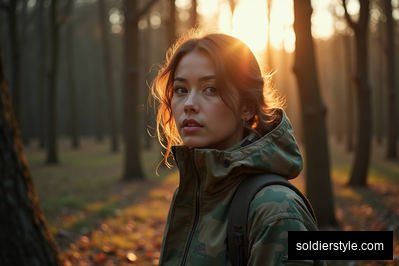
Introduction
The transformation of military fashion from strictly battlefield attire to mainstream streetwear is a fascinating journey through history, culture, and design. This evolution not only reflects changing aesthetic preferences but also societal shifts, technological advancements, and the blurring lines between function and fashion. Military garments, originally designed for durability, camouflage, and utility, have been adopted and adapted by civilian populations, influencing mainstream fashion trends and spawning entirely new styles. This article delves into the origins of military fashion, its transition into civilian wardrobes, and its lasting impact on contemporary fashion.
In this section, we delve deeper into the historical context of military fashion evolution, tracing its roots from utilitarian battlefield gear to a symbol of style and rebellion. Unveiling how iconic military elements like camouflage patterns and cargo pockets have seamlessly integrated into everyday wear, showcasing the enduring influence of military aesthetics on contemporary fashion trends.
The Historical Roots of Military Fashion
The origins of military fashion can be traced back to ancient civilizations where uniforms were not just about identity but also about intimidation and protection. Roman soldiers, for example, wore red tunics, which were both practical for hiding bloodstains and psychologically imposing. Fast forward to the 18th and 19th centuries, and we see the British Redcoats, whose uniforms were designed to stand out on the battlefield. However, it was during the World Wars of the 20th century that military apparel began to significantly influence civilian fashion. The trench coat, initially designed for British officers in World War I, is a prime example. Its functionality and durability appealed to civilians, and it quickly became a fashion staple.
Another significant contribution was the khaki uniform, introduced by the British Army in India. Its utility and adaptability made it popular worldwide, laying the groundwork for cargo pants and other military-inspired garments in civilian attire. The bomber jacket, designed for World War II pilots, transitioned from military gear to a symbol of rebellion and style in the post-war era, epitomized by Hollywood icons like Marlon Brando and James Dean.
Delving deeper into the historical roots of military fashion reveals fascinating influences from the Roman Empire's structured armor to the intricate designs of samurai attire in feudal Japan. These ancient uniforms weren't just for practical purposes but also served as symbols of power, hierarchy, and identity.
Military Fashion in Contemporary Culture
In today’s fashion landscape, military influences are omnipresent, from the runway to streetwear. Designers and fashion houses often draw inspiration from military apparel, reinterpreting its elements with modern twists. The camouflage pattern, for instance, has seen countless iterations in fashion collections, transcending its original purpose of concealment to become a statement of style. Brands like Balmain, Valentino, and Yeezy have incorporated military aesthetics into their designs, showcasing the enduring appeal of this style.
Moreover, the utility trend in fashion owes much to military design, emphasizing functionality without compromising on style. Cargo pants, combat boots, and tactical vests, once reserved for soldiers, are now fashion-forward choices for everyday wear. The military's influence extends beyond clothing to accessories and footwear, with aviator sunglasses and combat boots becoming indispensable elements of modern fashion.
Military fashion in contemporary culture continues to evolve, with designers incorporating combat-inspired elements into high fashion collections. From camouflage prints to utility-inspired silhouettes, the influence of military aesthetics is undeniable. Notable brands like Balmain and Off-White have reimagined traditional military attire, blending it seamlessly with modern street style, creating a unique fusion of rugged and chic.
The Societal Impact of Military Fashion
The adoption of military fashion by civilian populations is not just a matter of style but also a reflection of societal values and shifts. During the post-war periods, wearing military-inspired clothing was a way to honor and remember the sacrifices of soldiers. However, as these garments became more integrated into everyday fashion, their meanings evolved. The counterculture movements of the 1960s and 1970s, for example, repurposed military apparel as symbols of protest against war and authority, with surplus army jackets becoming associated with peace activism.
Today, the popularity of military fashion can be seen as part of a larger trend towards nostalgia and vintage styles. It also speaks to a desire for durability and functionality in clothing, as consumers become more conscious of quality and sustainability. Furthermore, military fashion's gender-neutral appeal has contributed to blurring the traditional boundaries of gendered clothing, promoting inclusivity and diversity in fashion.
The societal impact of military fashion extends beyond aesthetics, delving into cultural appropriation and power dynamics. When high-end designers appropriate military elements, they often strip away the historical significance, creating a disconnect from the sacrifices and struggles associated with military attire. This commercialization can undermine the respect and values that military uniforms traditionally embody.
The Future of Military Fashion
As we look to the future, the influence of military fashion seems poised to continue, driven by both its historical significance and adaptability to contemporary trends. Technological advancements are likely to play a significant role, with smart textiles and wearables incorporating military-grade functionality into everyday clothing. This could include garments with built-in climate control, advanced camouflage capabilities, or even health monitoring systems.
Sustainability is another area where military fashion could lead the way. The military's focus on durability and functionality aligns with the growing demand for sustainable fashion, potentially inspiring the use of recycled materials and innovative, eco-friendly production methods. As fashion continues to evolve, the principles of military design—efficiency, utility, and resilience—are likely to remain at its core, influencing new generations of designers and wearers alike.
With advancements in textile technology, the future of military fashion is set to embrace functional and sustainable designs. We can expect to see innovative materials like self-healing fabrics and adaptive camouflage becoming mainstream in military apparel. Additionally, the integration of smart textiles that monitor soldier health and performance will revolutionize the way uniforms are designed and worn on the battlefield.
Conclusion
The evolution of military fashion from the battlefield to streetwear is a testament to the enduring appeal of this style. Its journey through history reflects broader cultural and societal trends, from the practical needs of ancient warriors to the fashion statements of today's urban landscapes. Military fashion has not only influenced mainstream fashion but has also adapted to changing times, incorporating new technologies and responding to societal shifts. As it continues to evolve, military fashion remains a powerful symbol of strength, resilience, and adaptability, embodying the timeless connection between form and function.
For those fascinated by the intersection of fashion and history, military fashion offers a rich field of study and an endless source of inspiration. Whether through the repurposing of vintage pieces or the innovative reinterpretation of military elements in contemporary design, the legacy of military fashion is sure to endure, shaping the future of fashion in ways we can only begin to imagine.
In conclusion, the impact of military fashion on mainstream style is undeniable. From camouflage prints to bomber jackets, these elements have seamlessly transitioned from military uniforms to high fashion runways. The incorporation of utility pockets and structured silhouettes in everyday wear reflects a deep-rooted influence that continues to shape contemporary trends.